What to Pack for Banff: First-Time Visitor Checklist
Table of Contents
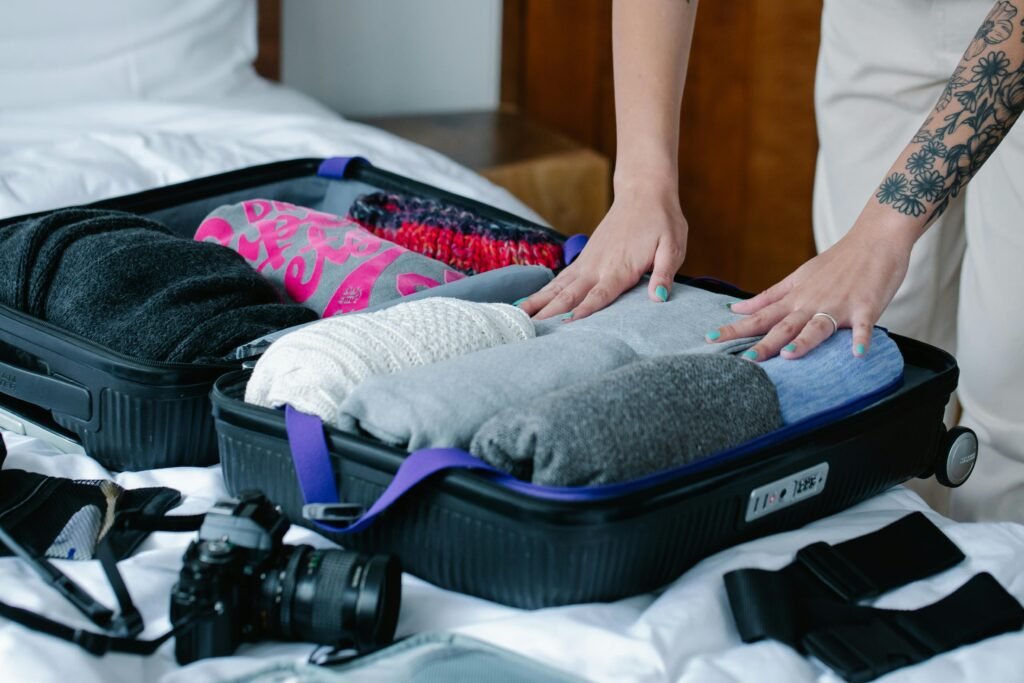
Packing for Banff isn’t about dressing for a season — it’s about preparing for constant change. One of the biggest surprises for first-time visitors is realizing that Banff doesn’t follow normal travel rules. A sunny afternoon can turn into a cold, windy evening. A warm walk around town can feel completely different once you’re near a lake, canyon, or mountain trail.That’s why understanding what to pack for Banff requires more than a generic checklist. This isn’t a fashion-led destination, and it’s not a place where one jacket or one outfit works all day. Banff sits in the heart of the Canadian Rockies, where elevation, wind, and sudden weather shifts affect how cold, wet, or exposed you feel — even in summer.Mountain weather volatility is simple to explain: temperatures drop quickly with elevation, clouds roll in fast, and conditions change faster than most first-time visitors expect. You might start the day in a T-shirt, need a fleece by lunch, and reach for a rain jacket before dinner — all without leaving the same area.What first-time visitors usually underestimate is how layer-dependent Banff travel really is. People often overpack heavy clothes, underpack functional layers, or bring outfits that look good but don’t perform well outdoors. The result is discomfort, wasted luggage space, and unnecessary stress.This guide breaks down exactly what to pack for Banff so first-time visitors can stay comfortable, flexible, and prepared without overpacking. You’ll find practical essentials that work year-round, smart seasonal add-ons, and Rockies-specific items that make your first trip smoother — no thin Pinterest-style lists, just real-world packing advice built for Banff conditions.
Banff Weather Basics (What First-Time Visitors Should Know Before Packing)
Banff weather changes fast — and not just between seasons. Even in peak summer, it’s normal to experience sunshine, wind, clouds, and rain within the same day. This isn’t exaggeration; it’s the reality of mountain geography. Elevation, exposed valleys, and passing weather systems mean conditions shift quickly, especially around lakes, canyons, and higher viewpoints.At a high level, Banff summers are mild rather than hot, with daytime highs often sitting in the low 20s °C, while mornings and evenings can feel surprisingly cool. Winter is cold and snowy, with extended periods below freezing, and shoulder seasons (spring and fall) are the most unpredictable — warm sun one hour, icy wind the next. You don’t need to memorize weather charts to pack well, but you do need to plan for variation.This is why layers always beat a single heavy jacket in Banff. A bulky coat might keep you warm at night but becomes uncomfortable once you start walking or hiking. Layering lets you adjust throughout the day — adding warmth when the wind picks up and shedding layers when the sun comes out — without constantly returning to your hotel.(Internal link opportunity: Best Time to Visit Banff for First-Time Visitors)
The Core Banff Packing Checklist (All Seasons, All First-Time Visitors)
No matter when you visit, there’s a core set of items every first-time visitor should pack. These are the essentials that work year-round and form the foundation of every smart Banff packing list.
Clothing Essentials (Year-Round)
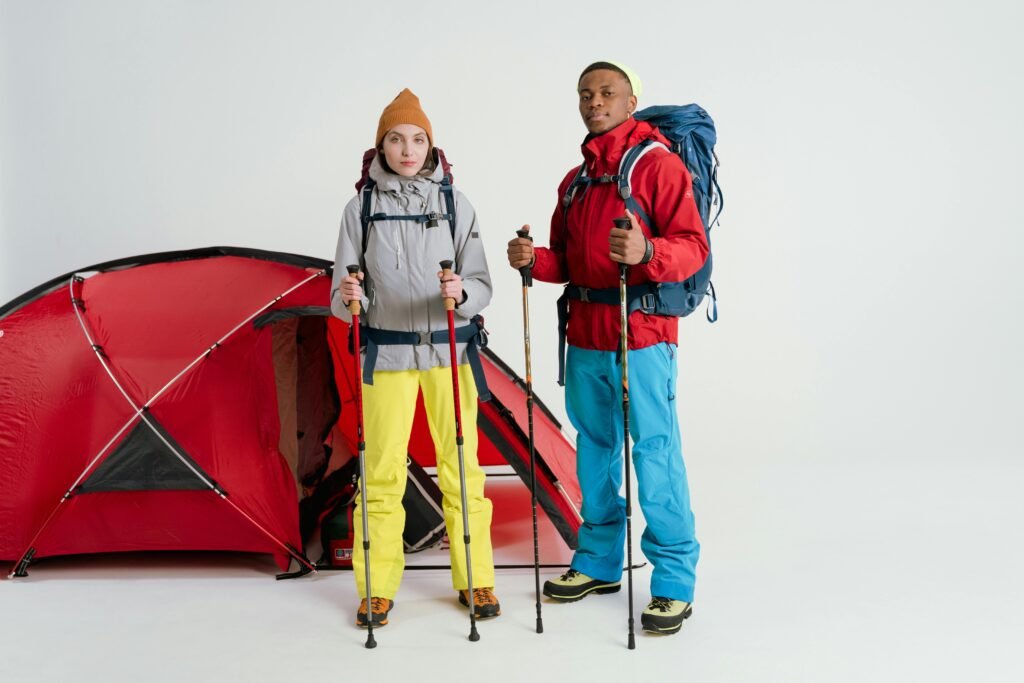
Base layers (moisture-wicking) Start with lightweight base layers made from merino wool or synthetic fabrics. These pull moisture away from your skin, keeping you warm when it’s cold and comfortable when you’re active. Cotton T-shirts may feel fine at first, but once damp, they dry slowly and trap cold.Mid-layers (fleece or light down) A fleece jacket or packable down sweater provides warmth without bulk. This is the layer you’ll add and remove most often — early mornings, windy viewpoints, or cool evenings in town.Waterproof / windproof outer shell A lightweight rain or shell jacket is essential in every season. Wind and sudden showers are common, and a shell protects your insulating layers underneath. Even in summer, this often becomes your most-used jacket.Quick-dry pants vs jeans (why it matters) Quick-dry hiking or travel pants are far more practical than jeans. They’re lighter, more comfortable for walking, and dry quickly if you get caught in rain or snow. Jeans stay cold and heavy when wet, which can quickly ruin an otherwise easy day outdoors.Casual town outfit (what “dressed up” means in Banff) Banff town is relaxed and outdoorsy. “Dressed up” usually means clean jeans or travel pants, a sweater or casual jacket, and comfortable shoes. There’s no need for formal outfits or anything impractical.
Footwear & Socks (Do Not Skip This)
Trail shoes vs hiking boots (when each makes sense) For most first-time visitors, trail-running shoes or low-cut hiking shoes work well for sightseeing and moderate hikes. If you plan longer hikes, scrambles, or expect wet or rocky terrain, hiking boots offer extra support and protection.Waterproof considerations Waterproof footwear makes a noticeable difference in Banff, especially during rain, snowmelt, or shoulder seasons. Wet feet are uncomfortable and hard to fix once you’re out for the day.Wool / technical socks (why cotton fails) Wool or technical hiking socks reduce blisters, regulate temperature, and stay warm even when damp. Cotton socks absorb moisture and lose insulation quickly, which can lead to cold feet and friction.
Daypack & Carry Essentials
Ideal daypack size (20–35 L) A comfortable daypack in the 20–35 litre range is perfect for Banff. It’s large enough for layers, water, and essentials without feeling bulky during walks or hikes.What must fit inside it every day Your daypack should comfortably carry water, snacks, a warm layer, rain shell, sun protection, and small personal items. Even casual sightseeing days often turn into longer outdoor outings than expected.Rain cover importance A rain cover keeps your layers, electronics, and food dry during sudden showers. It’s a small addition that prevents a lot of frustration — especially in shoulder seasons.
What to Pack for Banff in Summer & Shoulder Seasons (May–September)
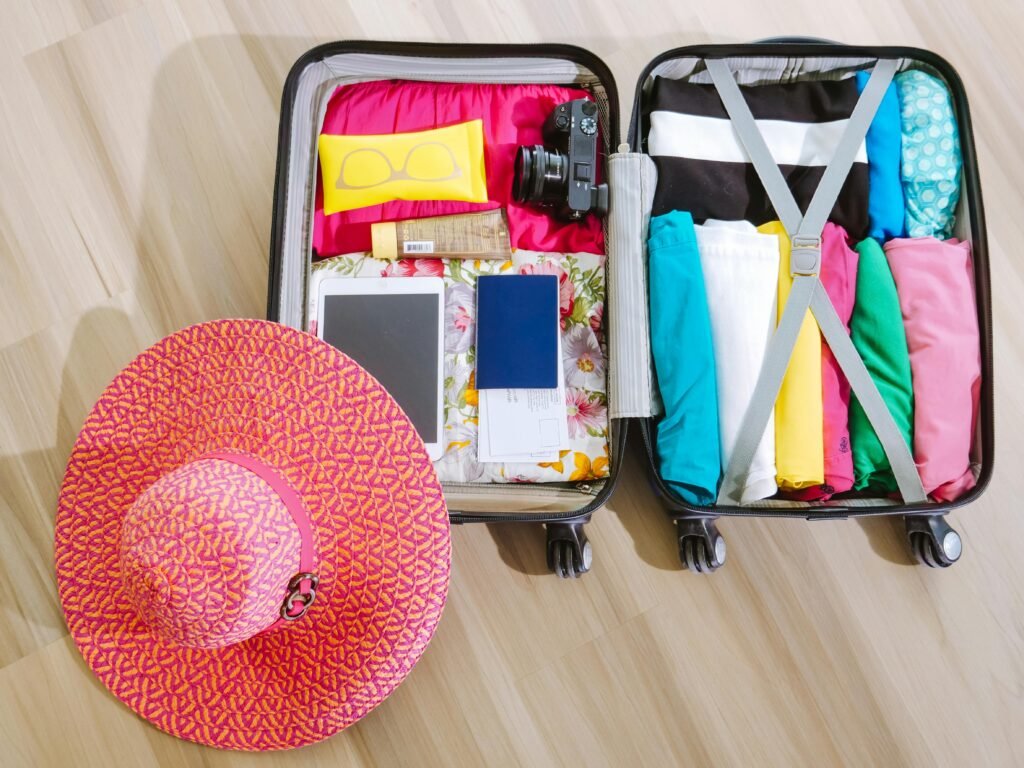
If you’re visiting between late spring and early fall, this is where most first-time packing mistakes happen. Summer in Banff isn’t hot in the way many travelers expect, and shoulder seasons can feel like multiple seasons in a single day. Knowing what to pack for Banff during this window is about flexibility, not bulk.
Clothing Add-Ons
Lightweight rain jacket A packable, waterproof rain jacket is essential from May through September. Afternoon storms are common, and mountain weather can shift quickly — especially near lakes and higher viewpoints. Even on clear days, wind can make exposed areas feel much colder than expected.Extra warm mid-layer Bring one additional warm layer beyond your everyday fleece. A packable down or insulated jacket is perfect for early mornings, cool evenings, and high-elevation stops where temperatures drop fast.Shorts vs long pants (bugs, ticks, sun) Shorts are comfortable on warm days, but long pants often make more sense for Banff. From roughly May to July, mosquitoes and ticks are more active, and long pants also provide better sun and wind protection on exposed trails. Many first-time visitors pack both and decide day by day.
Hiking & Sightseeing Gear
Swimsuit (hot springs, lakes) A swimsuit might not seem obvious for the Rockies, but it’s worth packing. Banff Upper Hot Springs, hotel pools, and warmer lakes like Johnson Lake make it useful even if you’re not planning traditional swimming.Sunglasses & sun hat Sun exposure is stronger at higher elevations, and reflection from water, rock, and even lingering snow can intensify it. Sunglasses and a brimmed hat quickly go from “nice to have” to essential.Bug spray (May–July specifics) Late spring and early summer bring mosquitoes, especially near wetlands and forested trails. A small bottle of bug spray can make hikes and lakeside stops far more enjoyable.(Internal link opportunity: Visiting Banff Without a Car / Banff Hiking Guides)
What to Pack for Banff in Winter (Cold, Snow, and Ice Reality)
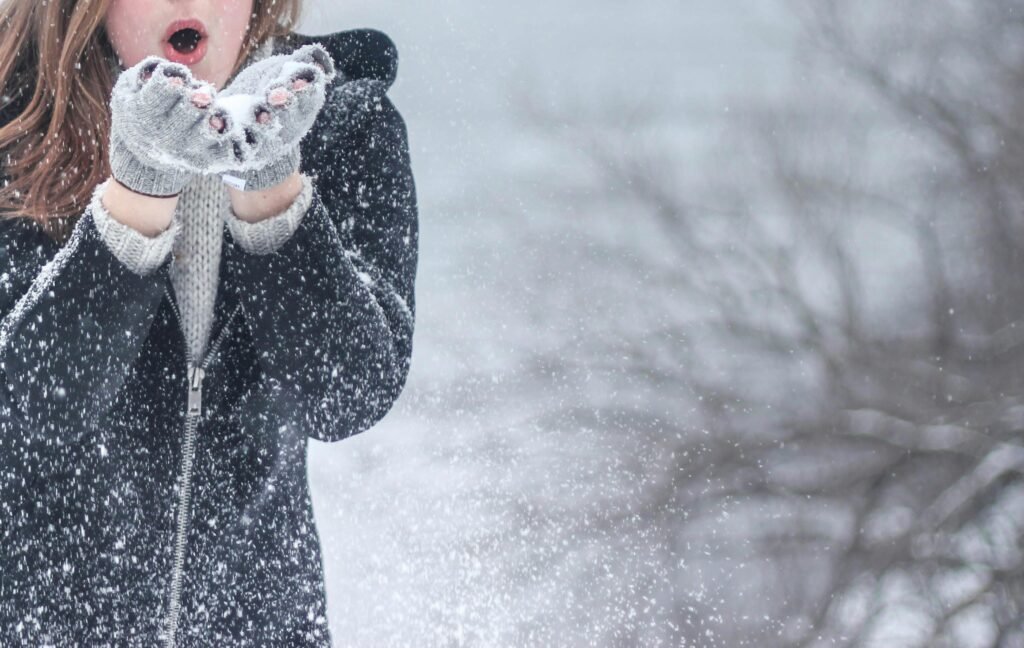
Winter in Banff is beautiful — and genuinely cold. Packing correctly isn’t about overdoing it, but about choosing the right insulated pieces so you can enjoy being outdoors without cutting days short. When thinking about what to pack for Banff in winter, warmth and traction matter more than style.Insulated winter jacket (temperature guidance) Choose a properly insulated winter jacket or parka designed for sub-zero temperatures. Banff winter days often sit well below freezing, and wind can make it feel significantly colder, even during short walks around town.Thermal base layers (top & bottom) Thermal base layers are essential in winter. They trap warmth close to your body and make it much easier to stay comfortable without piling on heavy outerwear.Snow pants or insulated hiking pants For very cold days or longer outdoor activities, insulated pants make a big difference. Even for sightseeing, standing on snow or ice for extended periods can chill your legs quickly.Winter boots with traction Insulated, waterproof boots with good grip are non-negotiable. Sidewalks, trails, and viewpoints can be icy, and proper traction keeps you warm, stable, and confident.Hats, gloves, buffs, hand warmers Heat escapes quickly in winter. A warm hat, insulated gloves or mittens, and a neck buff protect exposed skin, while hand warmers add comfort on especially cold days.
Optional Winter Add-Ons
Microspikes for icy trails Microspikes are lightweight and extremely helpful on icy paths like canyon walks and packed winter trails. They’re easy to pack and often make the difference between confidence and frustration.Gaiters for deep snow If you plan winter hiking or walking through deeper snow, gaiters keep snow out of your boots and help you stay dry.Ski-specific gear (only if applicable) If skiing or snowboarding is part of your trip, add appropriate outerwear, goggles, and helmet. Otherwise, you can skip bulky snow sports gear entirely.
Hiking Gear & Safety Essentials for Banff
Even if you don’t consider yourself a “hiker,” Banff naturally involves walking, uneven terrain, and time away from services. Viewpoints, lakes, and short trails often feel like casual sightseeing — until weather shifts or distances add up. Packing the right safety items isn’t about being extreme; it’s about being prepared.
Must-Have Safety Items
Bear spray (how + where to buy) Bear spray is strongly recommended for Banff’s trails and is considered standard safety equipment in the Canadian Rockies. You can’t fly with it, so plan to buy or rent it locally in Banff, Lake Louise, or Canmore. It should always be carried where it’s quickly accessible — not buried deep in your bag — and only used in wildlife emergencies.First-aid basics A compact first-aid kit with bandages, blister treatment, pain relievers, and personal medications covers most common trail issues. Minor foot problems or small cuts are far easier to handle when you’re prepared.Offline maps / navigation Cell service is unreliable on many trails and scenic drives. Download offline maps before heading out, or carry a paper map for backup. Navigation tools are especially important if weather reduces visibility or plans change mid-day.Emergency warmth items Even short hikes can take longer than expected. A spare warm layer, hat, or lightweight emergency blanket helps you stay safe if temperatures drop or you’re delayed.
On-Trail Daypack Checklist
Water & snacks Always carry enough water and energy-dense snacks, even for short outings. Dehydration happens faster at higher elevations, and services are limited outside town.Extra layer A fleece or insulated layer makes a big difference when wind picks up or clouds roll in — which happens often in the mountains.Rain protection A rain shell or poncho protects both you and your pack contents from sudden showers. Staying dry keeps body temperature stable.Bathroom kit basics Many trailheads rely on simple outhouses, and some routes have no facilities at all. A small kit with toilet paper, hand sanitizer, and a sealable bag is practical and considerate.(Internal link opportunity: Banff hiking safety or Parks Canada–related post)
Sun, Bugs, and Bathrooms: The Small Things First-Timers Forget
These details seem minor — until you don’t have them.High-altitude sun exposure Banff’s elevation intensifies sun exposure, even on cooler or cloudy days. Sunscreen, sunglasses, and SPF lip balm prevent burns that can happen faster than expected.Bug season expectations Mosquitoes and ticks are most noticeable from late spring through early summer, especially near water and forested trails. Light coverage and bug spray go a long way toward comfort.Realistic bathroom conditions at trailheads Not every stop has modern washrooms. Many trailheads offer basic outhouses with no running water or soap. Planning ahead avoids unnecessary stress.Compact “just in case” hygiene kit Hand sanitizer, tissues, travel soap sheets, and a small microfiber towel weigh almost nothing and make long days far easier.
Car & Day-Use Extras (If You’re Road-Tripping Banff)
If you’re exploring Banff by car, a few extra items can significantly improve your experience — especially in shoulder seasons.Spare clothes & shoes Wet socks, muddy shoes, or sudden rain can make the rest of the day uncomfortable. A clean change waiting in the car is a small luxury you’ll appreciate.Towels & dry bags Microfiber towels and dry bags are useful for lakes, rain, snow, or storing dirty gear separately from clean items.Picnic kit & thermos Banff has long stretches without restaurants or cafés. A simple picnic kit and a thermos for hot drinks turn scenic pullouts into relaxed meal stops.Cooler and snack strategy Keeping snacks and drinks in the car saves time, money, and energy — especially on full sightseeing days or along highways like the Icefields Parkway.
Tech & Travel Gear That Actually Helps in Banff
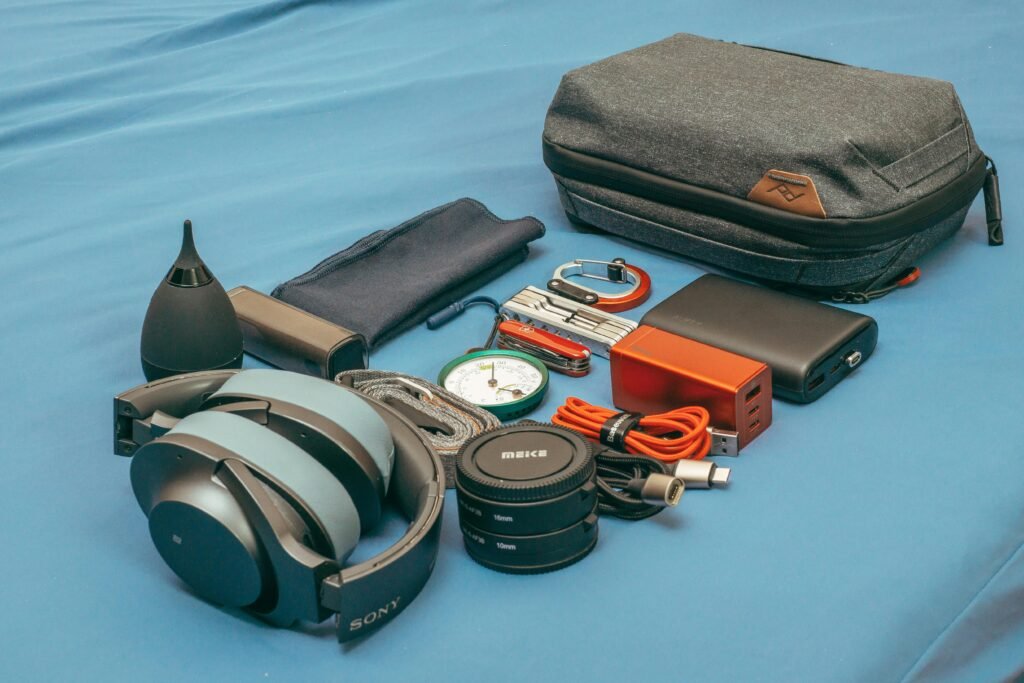
You don’t need much tech in Banff — but the right few items make a noticeable difference, especially when you’re moving between town, highways, and trails.Phone + power bank Your phone does a lot of work in Banff: navigation, photos, bookings, and emergency contact. Cold temperatures and long days drain batteries faster than expected, so a compact power bank is a quiet essential.Offline maps & eSIMs Cell service drops frequently outside town and along trails. Download offline maps before you arrive, and don’t rely solely on live navigation. If you’re visiting from outside Canada, an eSIM or local data plan helps with logistics — but offline maps remain your most reliable backup.Camera gear (rain & cold considerations) If you’re bringing a camera, pack extra batteries (cold drains them quickly), memory cards, and a lens cloth. A small rain cover or dry bag protects gear during sudden showers or snow.Car phone mount A simple phone mount makes scenic driving safer and less stressful, especially on unfamiliar mountain roads where pulling over isn’t always easy.
What NOT to Pack for Banff (Save Space, Save Stress)
Some items sound useful until you arrive — then they never leave your suitcase.Heels & club outfits Banff is casual and outdoors-focused. Uneven sidewalks, walking-heavy days, and relaxed restaurants make impractical footwear unnecessary.Heavy formalwear There’s no dress code pressure here. Comfortable, layered outfits work everywhere from cafés to scenic viewpoints.Bottled water Tap water in Banff is safe, clean, and great-tasting. A reusable bottle is lighter, cheaper, and better for the environment.Bulky “just in case” gear you can rent locally From bear spray to winter traction, many items are easy to rent or buy on arrival. Packing them ahead often wastes space.
What You Can Rent or Buy in Banff Instead
If you’re unsure whether you’ll need something, it’s often better to wait.Bear spray Available for purchase or rental in Banff, Lake Louise, and nearby towns. It’s not allowed on flights, so buying locally is the norm.Winter traction Microspikes and similar traction devices are easy to find during colder months and save you from packing gear you may not use.Select outdoor gear Basic hiking accessories, rain layers, and seasonal items are widely available if weather changes unexpectedly.Baby & family gear (brief mention) Many shops rent strollers, carriers, and family-friendly outdoor equipment, making it easier to travel lighter with kids.
Final Thoughts: Pack Smart, Not Heavy
Banff doesn’t reward overpacking — it rewards smart choices. The most comfortable first-time visitors aren’t the ones with the biggest suitcases, but the ones who understand layers, prioritize safety, and pack for flexibility.Focus on versatile clothing, proper footwear, and a small set of Rockies-ready essentials. Skip the unnecessary extras, rent what you can locally, and leave room for comfort instead of clutter.Once you’ve nailed what to pack for Banff, the rest of the trip becomes easier — from spontaneous stops to longer days outdoors. If you’re still planning your itinerary, timing, or transportation, explore the related Banff guides next and build a trip that feels prepared, relaxed, and fully enjoyable. 🏔️✨