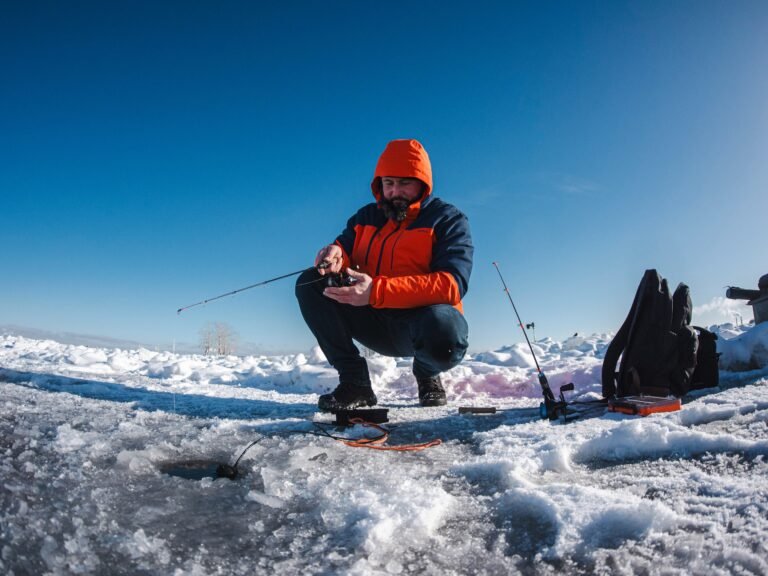
Ice fishing in Banff National Park is real, spectacular, and often misunderstood. In 2026, it isn’t about dragging your own shack onto a frozen lake and hoping for the best. It’s about guided access, heated huts, and fishing some of the most scenic ice-covered waters in the Canadian Rockies—legally, safely, and comfortably.
If you’re expecting a Wild West, build-your-own setup, Banff will disappoint you. But if you’re open to a curated alpine experience—warm shelters, expert guides, and frozen lakes framed by snow-capped peaks—Banff delivers in a way very few places can.
Banff is a protected national park, not a free-for-all fishing zone. Parks Canada regulations strictly limit unattended or independently placed ice fishing huts on park waters. Permanent or private shacks are generally not permitted, and access is carefully controlled to protect wildlife, ice safety, and the landscape itself.
That’s why ice fishing in Banff happens almost exclusively through licensed guided operators. These guides are allowed to place temporary, attended, heated huts for day use. They scout ice conditions, drill holes, monitor safety, and remove everything at the end of the trip. No mess. No risk. No rule-breaking.
Most people searching “ice fishing huts in Banff” aren’t actually looking for a hut they can rent and use alone. What they’re really asking is:
In Banff, an “ice fishing hut” means a heated shelter included as part of a guided experience, not a standalone rental. You’re booking an experience, not a structure.
Ice fishing in Banff focuses on a small number of reliable, regulation-approved lakes:
These aren’t random frozen ponds. They’re carefully chosen waters with known ice thickness, fish populations, and legal access.
This guide is designed for two kinds of travelers:
If you’re searching for independent ice shack fishing, Banff isn’t the place. But if you want a safe, scenic, professionally run ice fishing experience in 2026, you’re in the right guide.
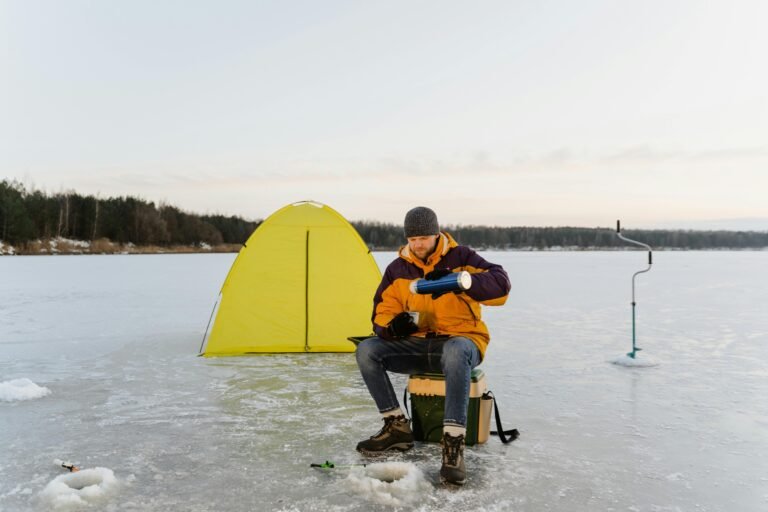
Ice fishing in Banff follows a tightly controlled model designed around conservation, safety, and visitor experience. It’s not complicated—but it is different from ice fishing in most other parts of Canada. Understanding how it works upfront will save you confusion, wasted planning time, and unrealistic expectations.
Inside Banff National Park, environmental protection comes first. Parks Canada does not allow the casual placement of private or unattended ice fishing huts on most park waters. Permanent shacks, season-long shelters, or unsupervised setups are largely prohibited.
The reasons are practical and environmental:
As a result, self-directed ice hut fishing is not how Banff operates. If you want to fish legally and responsibly, you go guided.
Licensed ice fishing operators make Banff ice fishing possible. They’re not just there to show you where the fish are—they’re the reason the experience exists at all.
Guided operators:
You step into a warm shelter on solid ice. They handle everything else.
This distinction matters more than most visitors realize.
This is why many “Banff ice fishing” tours actually operate just outside the park boundary while still delivering the same mountain scenery.
Most guided ice fishing trips near Banff follow a smooth, predictable rhythm:
It’s long enough to settle in, learn the techniques, and land fish—without becoming physically exhausting. For most travelers, it strikes the perfect balance between adventure and comfort.
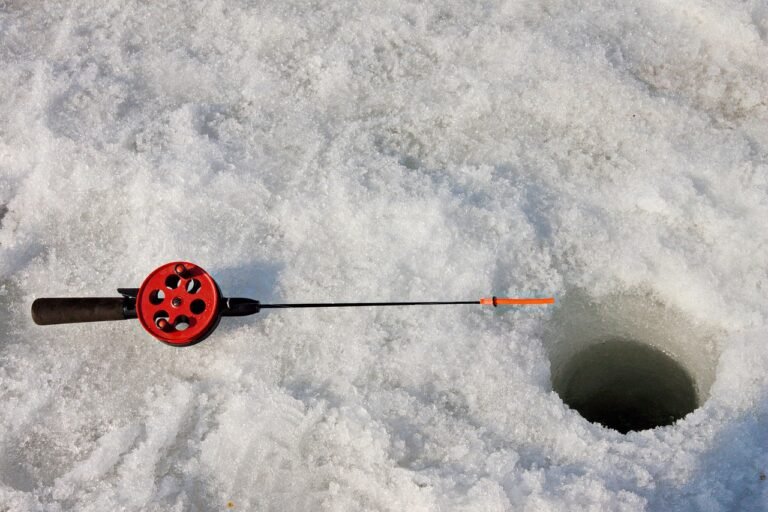
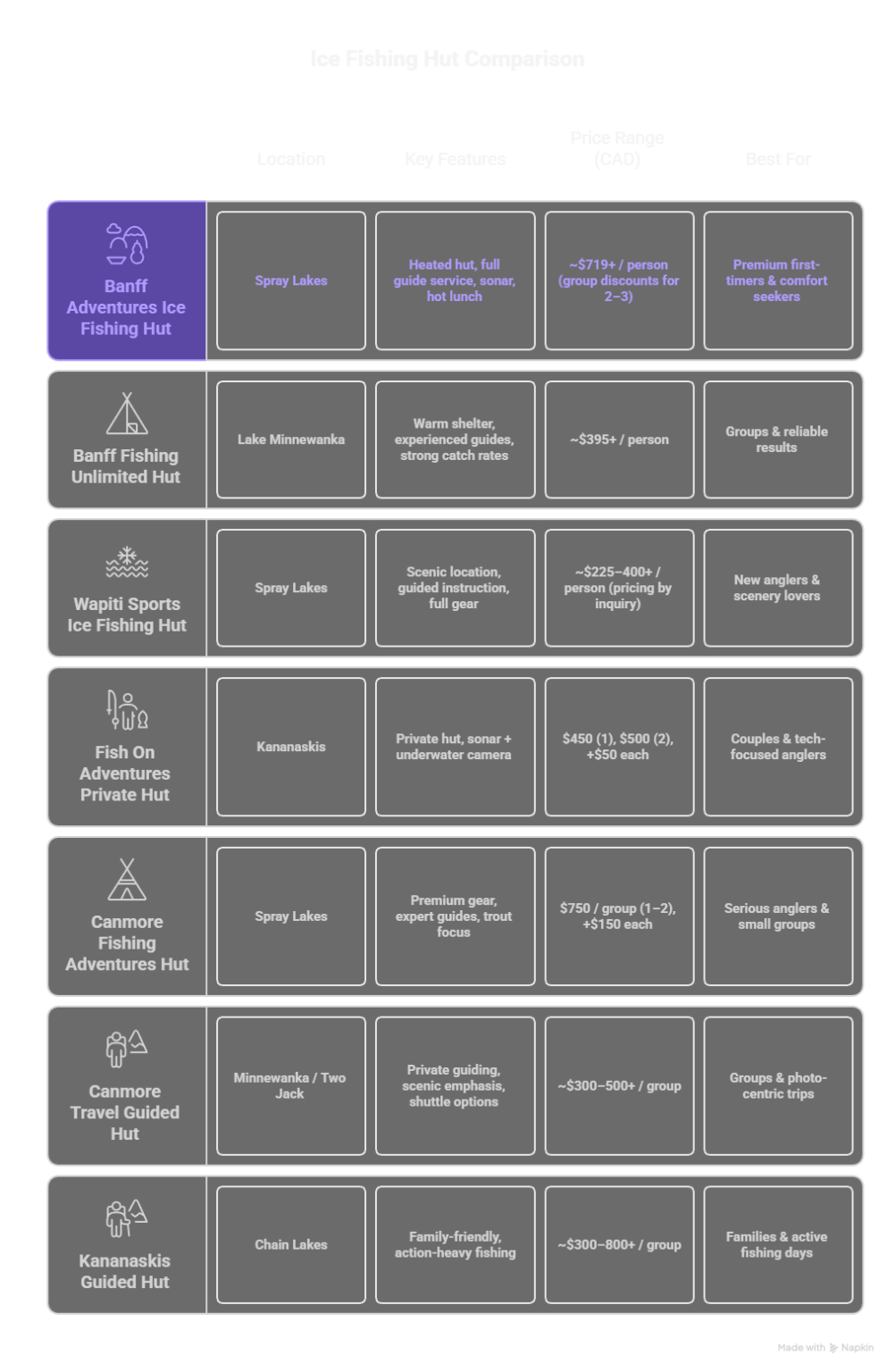
These aren’t random shelters dropped onto frozen lakes. Every hut below is operated by licensed guides, set up legally, and priced according to the true cost of mountain guiding, safety oversight, and heated infrastructure. Ice fishing near Banff in 2026 is a premium, guided experience—and these are the operators that reliably deliver.
Location & access
Spray Lakes, approximately 25 minutes from Canmore and 45 minutes from Banff, followed by a short 10–15 minute walk or snowshoe onto the ice.
What’s included
A fully heated hut, professional guide, rods, tackle, bait, sonar, pre-drilled holes, instruction, and a hot lunch. This is a tightly run, all-inclusive operation.
Best for
First-timers, couples, and visitors who want a high-comfort, premium introduction to ice fishing with zero logistical stress.
Comfort level & warmth
Among the warmest setups available on Banff lakes. Anglers frequently report being comfortable without heavy outer layers once inside the shelter.
Fishing success reputation
Well regarded for lake trout and whitefish, with guides actively moving holes and adjusting techniques rather than waiting passively.
Group suitability
Best for small groups and mixed-experience anglers who want solid results paired with comfort.
Scenic value
One of the most visually striking ice fishing locations near Banff—wide frozen expanses, open skies, and classic Rocky Mountain backdrops.
Beginner friendliness
Highly approachable. Guides emphasize fundamentals, making this a strong option for newcomers who want to learn without pressure.
Seasonal window
Typically operates December through February, depending on ice formation and weather conditions.
Private experience details
A true private hut experience—no shared groups. You control the pace, focus, and overall rhythm of the day.
Tech (sonar, camera)
Premium equipment including Garmin sonar and underwater cameras, allowing real-time observation of fish behavior beneath the ice.
Price tier & ideal audience
Upper-tier pricing. Best for couples, serious anglers, and travelers who value privacy, technology, and customization.
Guide expertise
Highly experienced guides who actively adapt strategy throughout the day based on fish movement and conditions.
Species variety
Primarily lake trout, with opportunities for other trout species depending on lake and season.
Experience level required
Accessible to beginners, but especially rewarding for anglers with some prior fishing experience who appreciate a more tactical approach.
Group tour structure
Offered as private or small-group experiences, typically bundled with transportation and guiding rather than standalone hut rentals.
Scenic emphasis
Strong visual focus, particularly at Two Jack Lake, which offers quieter, postcard-worthy surroundings compared to Minnewanka.
Shuttle options
Private shuttle pickup is often available—useful for visitors without a vehicle.
Family-friendly appeal
Designed with families and first-time anglers in mind. Guides focus on engagement, education, and keeping lines active.
Action-heavy fishing
Known for higher catch rates and steady activity, which helps maintain interest for kids and newcomers.
Why it’s outside Banff—but worth it
Chain Lakes sit outside Banff National Park, allowing slightly more flexibility while still delivering mountain scenery. If catching fish matters more than the park boundary, this is an excellent choice.
For travellers who want more than a day trip.
When your goal is multi-day ice fishing, the right base matters. These are the top cabins and lodges near Banff that combine comfort, location, and access to guided huts on frozen lakes.
Proximity to Minnewanka
Just minutes from Banff town and a short scenic drive to Lake Minnewanka, Buffalo Mountain Lodge puts you close to one of the area’s premiere ice fishing hubs. Guided hut meet-ups start from here early, so you’re first to the ice.
Comfort level
This lodge is upscale yet cozy, with rustic-meets-modern interiors, fireplaces, and excellent guest services. After a long day on frozen lakes, the hot tub and sauna here feel like pure luxury.
Best trip type
Ideal for couples or families who want winter adventure plus comfort — think ice fishing by day, fine dining and spa warmth by night.
Location advantages
Nestled at the gateway to Johnston Canyon, this property sits halfway between Banff and Lake Louise — a perfect stopover if you’re planning guided trips to Spray Lakes or Minnewanka. The canyon itself offers winter trails, frozen waterfalls, and scenic views.
Quiet winter appeal
Small-scale cabins and bungalows give you a sense of privacy and stillness that big hotels can’t match. Snow crunching underfoot, early mornings with coffee and mountain silhouettes — this is lodge life at its winter best.
Ideal length of stay
2–4 nights is perfect here. Long enough to fish hard and still explore the winter trails without feeling rushed.
Seclusion factor
If “off the beaten path” is your vibe, Storm Mountain Lodge delivers. Tucked between Banff and Yoho National Park, this location feels like a snowy alpine hideaway — miles from noise and light pollution.
Access to Spray Lakes corridor
You’re well positioned for guided huts around Spray Lakes, about a 30–45 minute drive. That’s a strategic advantage if you’re chasing early ice or want flexibility to choose your fishing day based on conditions.
Luxury vs practicality
Storm Mountain strikes a balanced tone — rooms are comfortable and rustic, not ultra-luxury, but better than basic. Think hearty breakfasts, warm fireplaces, and calm evenings that make you forget the outside cold. It’s perfect for anglers who want comfort over opulence and proximity over extravagance.
Ice fishing near Banff is rarely a “walk out the door and onto the ice” experience. Where you sleep and where you fish are usually two different places, and that’s by design.
Bottom line:
This surprises many visitors, but it’s intentional.
Instead of building next to lakes, operators transport huts in for the day and remove them after. You commute in the morning—fish comfortably all day—and return to warmth at night.
There’s no wrong choice—just a smarter one depending on which lake you plan to fish.
Ice fishing in this region is tightly regulated. Knowing the rules upfront saves embarrassment, fines, and cancelled trips.
Guides won’t—and legally can’t—fish on your behalf without it.
Inside Banff National Park, most waters operate under catch-and-release only regulations. This protects sensitive alpine fish populations.
Guides enforce these rules strictly, and violations carry serious penalties.
Lake Minnewanka is the notable exception.
Your guide will confirm what’s legal that day—don’t assume.
Ice fishing is not permitted on the Bow River.
This applies year-round and includes winter months. If a tour advertises river ice fishing near Banff, that’s a red flag.
If your trip takes place outside Banff—particularly at Spray Lakes or Chain Lakes—you’ll need a Kananaskis Conservation Pass for your vehicle.
No pass = potential fine, even if you’re with a guide.
Ice fishing near Banff works beautifully when you respect the system:
Do that, and your 2026 ice fishing trip becomes seamless instead of stressful.

Ice fishing near Banff is not something you leave to the last minute—especially if you’re traveling during peak winter.
Most reputable guided ice fishing tours begin filling up by late fall (October–November). December holiday weeks, January weekends, and Family Day periods are usually the first to sell out. By mid-winter, availability becomes patchy, especially for private huts and small-group experiences.
For 2026, expect:
If you see prices far below this range, double-check what’s actually included.
Before you lock anything in, confirm:
Clear answers upfront prevent awkward surprises on frozen lakes.
Peak winter offers the best ice thickness and most stable conditions, but also the highest demand. Booking early:
In Banff, winter experiences don’t scale easily—there are only so many safe, legal spots to fish.
Ice fishing in Banff is comfortable inside the hut—but getting there still means real winter conditions.
Dress for movement, not standing still:
You’ll warm up during the walk and cool down once settled—layers let you adjust.
Cold feet end trips early. Don’t underestimate this.
Phones drain fast in cold—keep them close to your body.
Alcohol is not permitted on most guided ice fishing tours, especially inside Banff National Park. It’s a safety and liability issue, not a suggestion. Leave it behind.
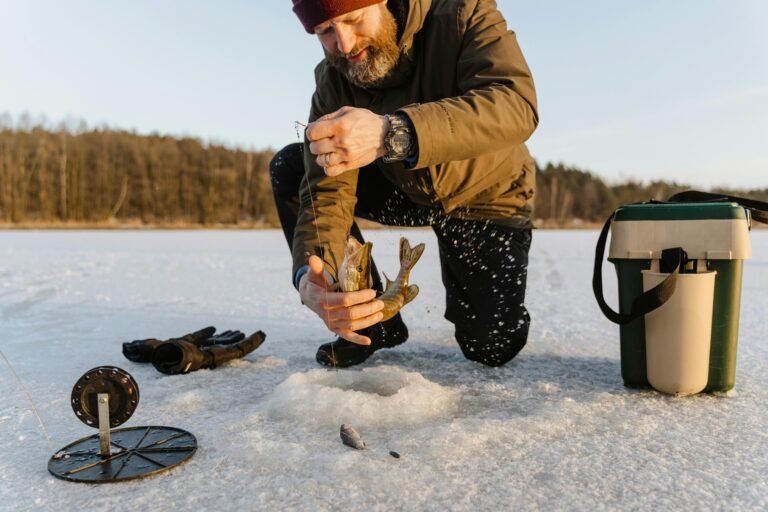
If you enjoy learning something new in a dramatic setting, this delivers.
Banff ice fishing is curated—not rugged frontier fishing.
Ice fishing won’t replace skiing or snowshoeing—but it complements them perfectly. It’s slower, quieter, and more immersive. Think of it as a half-day alpine experience rather than a sport-only activity.
For many visitors, it becomes the unexpected highlight of their winter trip
No. In Banff National Park, independent or unattended ice fishing huts are generally not permitted. What visitors call “hut rentals” are actually guided experiences where licensed operators provide a heated shelter, set everything up, and remain responsible for safety and compliance.
Yes—when done with licensed guides. Operators continuously monitor ice thickness, weather changes, and lake conditions. Mountain lakes can change quickly in winter, which is exactly why guided trips are the standard and safest way to ice fish here.
The most common species are lake trout and mountain whitefish, particularly on Lake Minnewanka and Spray Lakes. Depending on location and regulations, some areas may also offer opportunities for other trout species. Most fishing is catch-and-release, with limited exceptions.
Children under 16 do not need an Alberta fishing license. Anyone 16 or older must carry a valid license—even on guided trips. Guides will still supervise kids closely and ensure regulations are followed.
January and February are the most reliable months. Ice is typically thick, conditions are stable, and guided huts operate at full capacity. December can be excellent in colder years, while March depends heavily on weather and ice reports.
If ice fishing isn’t your thing, Banff still delivers a full winter playground. Visitors often choose from winter sightseeing at frozen lakes, snowshoeing and winter hiking, ice skating, gondola rides, wildlife viewing, hot springs, scenic drives, photography, spa days, and cozy town experiences in Banff and nearby Canmore. Guided winter tours are also popular for travelers who want adventure without technical skills.
👉 For a detailed breakdown of non-fishing winter activities, please look this blog post on our blog, where we cover the best things to do in Banff during winter—step by step, with practical tips for non-skiers and first-time visitors.
Ice fishing in Banff isn’t about improvising—it’s about doing it properly.
You stay warm in a mountain lodge or cabin, drive to the lake, fish from a heated hut, and return to comfort at night. That balance—structured days, cozy evenings—is what makes ice fishing near Banff work so well.
Winter tourism continues to grow, operators are refining their experiences, and demand is higher than ever. Planning for 2026 means better availability, better guides, and a smoother overall trip—if you act early.
Ice fishing spots are limited, huts are finite, and conditions dictate everything. Book early, choose your base town wisely, and let experienced guides handle the ice.
Do that, and ice fishing in Banff won’t just be something you tried—it’ll be one of the winter experiences you remember most.