Banff has a reputation. Snow. Mountains. Ski racks on every car. For years, that image has quietly told a lot of travelers the same thing: this place isn’t for you unless you ski.
That assumption couldn’t be more wrong.
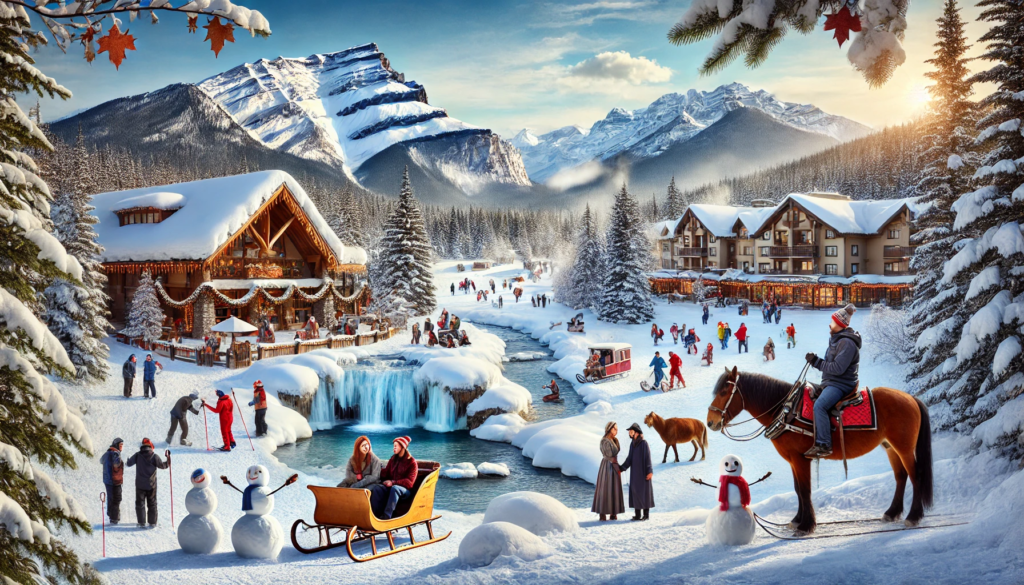
Winter in Banff is not a single-sport destination — it’s a full-spectrum winter experience. One that rewards curiosity over courage, presence over performance. You can spend your days soaking in mountain hot springs, walking frozen canyons, skating on world-famous lakes, spotting wildlife along quiet roads, or simply wandering a cozy alpine town with a coffee in hand while snow drifts past storefront windows.
This is a Banff built for sightseeing without pressure, for soft adventures that don’t demand skills, and for slow, restorative moments that feel just as memorable as any downhill run. The landscapes are still epic. The atmosphere is still magical. You just don’t need skis strapped to your feet to enjoy it.
This guide is for Banff for non-skiers, first-timers, families, and relaxed travelers — for anyone who wants to experience Banff in winter without chasing chairlifts or mastering slopes. If you love scenery, gentle outdoor experiences, warm pools, wildlife, photography, and evenings spent exploring a lively mountain town, you’ll find that Banff in winter doesn’t exclude you at all.
It welcomes you.
For travelers who want jaw-dropping scenery with minimal effort
Banff in winter doesn’t demand stamina or technique — it rewards presence. Snow softens the valleys, the light turns sharper, and the viewpoints feel calmer than in summer. If your idea of a perfect day involves epic scenery without physical strain, this is where Banff quietly excels.
The Banff Gondola is the ultimate winter shortcut to big views. An enclosed cabin carries you smoothly up Sulphur Mountain, lifting you above the Bow Valley into a panorama of snow-draped peaks and winding rivers — all without stepping into the cold until you’re ready.
At the summit, things stay wonderfully civilized. Heated indoor spaces, an interpretive centre, wide boardwalks, and restaurants mean you can linger as long as you like, even on bitterly cold days. You can step outside for photos, retreat indoors to warm up, then head back out again — no rush, no pressure.
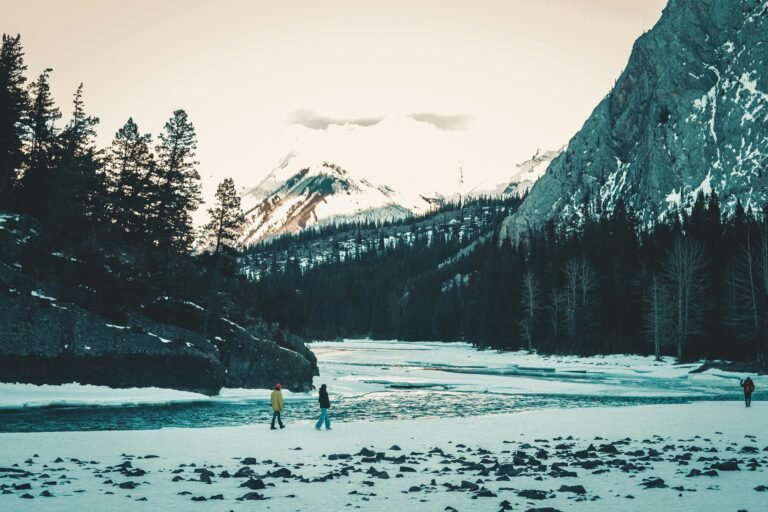
For non-skiers, this works so well because it delivers the wow factor of the Rockies without the exposure. Many winter itineraries pair the gondola with other low-effort experiences like a soak at the Banff Upper Hot Springs or an evening of snow tubing at Mt Norquay, creating an easy, well-rounded winter day that never feels rushed or exhausting.
Some of Banff’s most iconic winter views are visible without leaving the car — or at most, a few careful steps onto packed snow. These short stops are perfect for photography, quiet moments, and travelers who prefer comfort over long walks.
Vermilion Lakes is often the first stop. Just minutes from town, the frozen marshlands reflect Mount Rundle on calm mornings, making it one of the most photogenic winter scenes in the park. It’s peaceful, flat, and ideal for sunrise or sunset.
Surprise Corner lives up to its name, offering a dramatic angle of the Banff Springs Hotel framed by cliffs and forest. It’s a quick pull-off, easy to access, and delivers a classic Banff view without effort.
Further out, Lake Minnewanka stretches long and quiet under winter ice. The road is typically plowed and accessible when conditions are safe, making it a favorite for wildlife sightings and wide, open vistas that feel far removed from town.
If winter driving feels intimidating — or if you’re short on time — guided sightseeing tours are a smart alternative. These half-day trips follow plowed highways toward Lake Louise and nearby areas, removing the stress of road conditions while adding local insight. For first-time visitors or nervous winter drivers, it’s often the easiest way to see a lot without worrying about traction, parking, or weather changes.
Whether you drive yourself or let someone else handle the wheel, Banff’s winter viewpoints prove that you don’t need skis — or even snow boots — to experience the Rockies at their most striking.
The postcard version of Banff winter
This is the Banff people imagine before they arrive — frozen lakes, glowing lights at dusk, laughter drifting through cold air. These experiences are gentle, visual, and wonderfully low-pressure, making them ideal for non-skiers who still want that unmistakable winter magic.
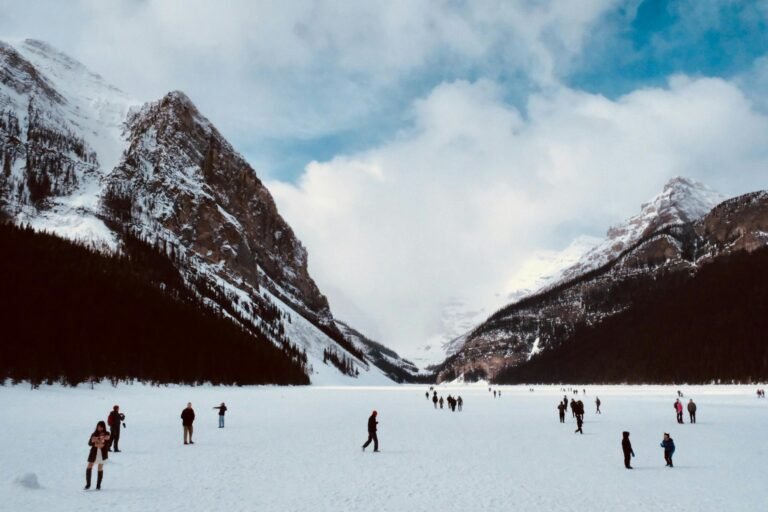
Few winter experiences anywhere feel as cinematic as skating on Lake Louise. Ringed by towering peaks and backed by the Victoria Glacier, the lake transforms each winter into what’s often described as one of the most beautiful outdoor skating rinks in the world.
The rink is cleared and maintained by the Fairmont Chateau Lake Louise, and each season they build a hand-carved ice castle near the shoreline — a detail that pushes the whole scene firmly into fairytale territory. Even if you’re a tentative skater, the setting alone makes it unforgettable.
That said, this is a natural lake, not a refrigerated rink. Conditions depend entirely on temperature and snowfall, and while skating is often possible from mid-December through early spring, it’s essential to check current status before planning your visit. When it’s open, though, there are few winter moments in Canada that rival it.
When Lake Louise isn’t skateable — or if you’d rather stay closer to town — Banff and nearby Canmore offer maintained outdoor rinks that are far more flexible. These rinks are perfect for casual skating, short sessions, or families with kids who don’t want to commit to a long outing.
In December especially, the atmosphere becomes part of the appeal. Fire pits crackle nearby, festive lights glow, and seasonal touches like ice bars or evening events turn a simple skate into a cozy winter ritual. You don’t need fancy gear or skills here — just warm layers and a willingness to wobble a little.
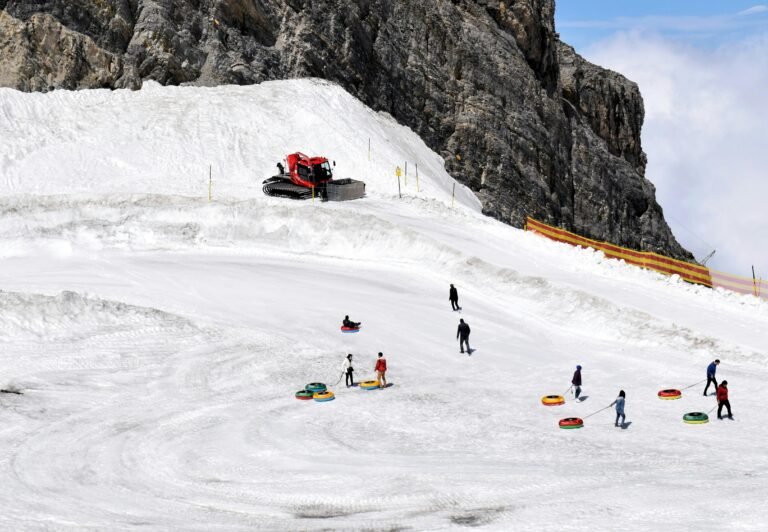
If you want a burst of winter adrenaline without the learning curve, snow tubing delivers. Mt Norquay runs a dedicated tube park with groomed lanes, a conveyor lift (no uphill walking), and optional night tubing sessions under floodlights.
Tubing is often described as the easiest snow thrill in Banff. You sit, slide, laugh — that’s it. No lessons, no balance, no previous experience required. It’s especially popular with families, groups, and anyone who wants a playful contrast to sightseeing days.
Many visitors opt for bundled passes that combine tubing with other winter highlights like the gondola or hot springs, making it easy to plan a full day without juggling tickets or logistics.
Active, memorable experiences without technical skills
For travelers who want to be in the winter landscape — not just looking at it — Banff offers guided adventures that prioritize safety, storytelling, and accessibility over athleticism.
3.1 Ice Walks Through Frozen CanyonsIce walks are one of Banff’s most approachable winter adventures. Popular routes through Johnston Canyon and Marble Canyon follow steel catwalks and frozen creek beds, weaving past blue ice walls and frozen waterfalls.
Participants wear winter boots fitted with microspikes, and guides manage pace, footing, and safety throughout. Transport, equipment, and even hot drinks are usually included, which makes this experience especially appealing to visitors with limited winter hiking experience.
It feels adventurous — but never extreme — and that balance is exactly why ice walks are so popular with first-time winter travelers.
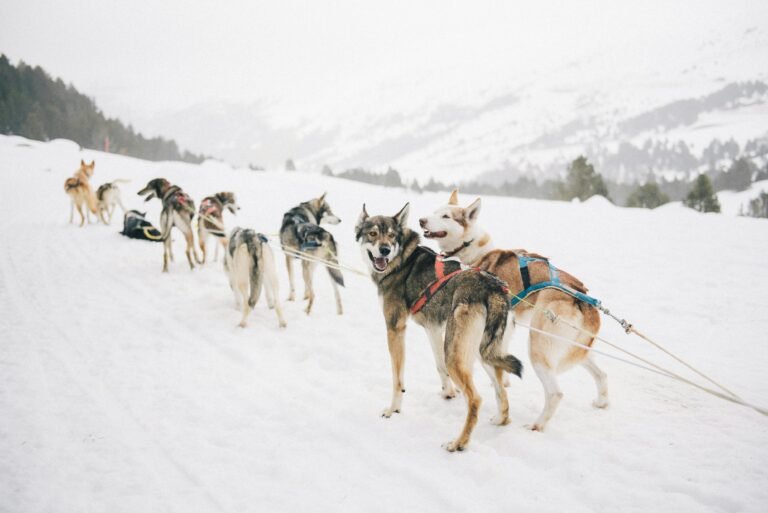
Dog sledding is pure winter storytelling in motion. Bundled up in a sled, gliding through snowy forests behind a team of huskies, it’s one of those experiences people talk about long after the trip ends.
Tours vary by location. Some operate inside Banff National Park, while others run in nearby areas like Canmore or Kananaskis, where terrain and routes differ slightly. Regardless of location, most tours include time to meet the dogs, learn how sled teams work, and understand the history of mushing in the Rockies.
For non-skiers, dog sledding often becomes a trip highlight because it delivers movement, scenery, and novelty — all without requiring physical effort from the guest.
Snowshoeing is one of the simplest ways to experience deep winter landscapes. With wide, supportive footwear and guided routes, even beginners can walk across snow-covered trails and open meadows at a comfortable pace. Alpine areas and forested paths around Banff make this a quiet, immersive option for nature lovers.
Fat biking offers a different kind of novelty. Using oversized tires designed to grip packed snow, riders move slowly and steadily along groomed winter trails. It’s not about speed — it’s about balance, curiosity, and trying something new. Rentals and guided rides make it approachable even if you’ve never biked in winter before.
Together, snowshoeing and fat biking show that you can be active in Banff’s winter — without skis, lessons, or pressure.
For travelers who want warmth, comfort, and atmosphere
Not every winter memory needs frost on your eyelashes. In Banff, slowing down is not a compromise — it’s a feature. When temperatures drop, the town leans into warmth: steaming pools, candlelit spas, glowing streets, and evenings that feel deliberately unhurried.
Discovered in the 1880s, the Banff Upper Hot Springs are a living piece of Rockies history — and the only public hot springs in the Banff area today. Geothermally heated mineral water fills an outdoor pool perched high above the valley, with Mount Rundle rising dramatically in front of you.
Winter is when this experience truly shines. Steam curls into icy air, snow gathers on railings, and the contrast between cold skin and warm water becomes the entire point. It’s restorative in a way that feels earned, especially after a day of sightseeing.
Many visitors pair the hot springs with low-effort activities like the Banff Gondola, a scenic drive, or snow tubing — creating a day that balances movement and recovery without feeling packed or rushed.
Beyond the hot springs, Banff and Lake Louise are dotted with full-service hotel spas that cater perfectly to non-skiers and rest days alike. Think massages, thermal pools, steam rooms, and quiet lounges designed for lingering — not ticking boxes.
These experiences are ideal for travelers who want winter without constant outdoor exposure, or for couples and families building recovery days into a longer itinerary. A spa morning followed by a gentle walk along the Bow River trail or a café crawl through town is a rhythm many visitors fall into naturally.
Wellness in Banff doesn’t feel indulgent. It feels appropriate.
Downtown Banff is compact, lively, and easy to explore — even in deep winter. Banff Avenue is lined with outdoor gear shops, souvenir stores, bakeries, pubs, and restaurants, and it stays animated well after sunset. Winter evenings often slide into an après-style culture: warm drinks, low lighting, and conversations that stretch longer than planned.
Lake Louise village is quieter, but the atmosphere is unmistakably alpine. The area around the Chateau often hosts seasonal installations — ice bars, light displays, and evening events — turning short strolls into memorable moments. It’s less about ticking off attractions and more about absorbing the mood.
Meaningful experiences beyond adrenaline
Winter strips Banff back to essentials — light, landscape, and life moving through it. For travelers drawn to observation rather than action, this season quietly delivers some of the park’s most rewarding experiences.
Winter is one of the best times for wildlife viewing in Banff. Elk, deer, bighorn sheep, and sometimes coyotes or foxes are easier to spot against snow-covered landscapes, often near roads and valley bottoms.
Guided wildlife tours focus on safe, respectful roadside viewing, adding context about animal behavior, seasonal movement, and conservation. For visitors unfamiliar with winter wildlife etiquette, these tours provide both peace of mind and deeper understanding — turning sightings into stories rather than snapshots.
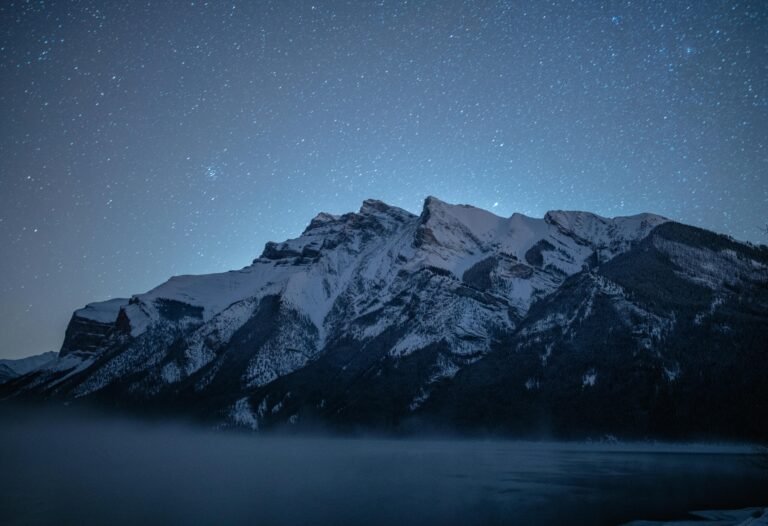
Winter light in Banff is sharp, low, and dramatic. Sunrises and sunsets linger longer, casting pink and blue tones across snowfields and peaks. Popular photography stops include Vermilion Lakes, Castle Mountain viewpoints, and Lake Louise at first light.
On clear nights, the Rockies reveal another layer entirely. Dark skies and mountain silhouettes make winter ideal for night photography and stargazing tours, especially away from town lights. It’s quiet, contemplative, and unexpectedly emotional — the kind of experience that stays with you long after the camera is packed away.
When temperatures plunge or energy dips, Banff’s cultural spaces offer warmth and perspective. The Whyte Museum of the Canadian Rockies explores regional history, art, and Indigenous stories, while the Banff Park Museum focuses on natural history through a beautifully preserved heritage building.
These stops are perfect for slower afternoons, extreme cold days, or travelers who want to understand the Rockies beyond scenery. They add texture to a winter trip — grounding the experience in context and culture.
Practical planning, minus the stress
Planning a winter trip to Banff without skiing is less about filling every hour and more about creating balance. The goal isn’t endurance — it’s rhythm.
For non-skiers, 3 to 5 days is the sweet spot.
Longer stays are possible, but Banff shines brightest when you leave space to rest and repeat what you love.
Winter days are best built in layers:
This mix keeps the trip comfortable even during cold snaps and prevents the fatigue that often hits winter travelers.
Guided tours are ideal if:
DIY works well if:
Many non-skiers combine both — guided days for adventures, DIY days for wandering.
A car offers flexibility, but it isn’t mandatory.
If you do drive, plan conservatively. Short distances can feel longer in snow, and daylight hours are limited.
This style of Banff winter trip is ideal for:
If you value atmosphere over adrenaline, Banff in winter fits.
Banff in winter isn’t a compromise destination — it’s a complete one. The mountains are just as dramatic, the landscapes arguably more beautiful, and the experiences broader than many expect.
From frozen lakes and quiet viewpoints to hot springs, wildlife encounters, and candlelit evenings in town, Banff offers accessibility without dilution. You don’t need lessons, gear, or bravado. You need curiosity, warm layers, and time.
If you’ve avoided Banff in winter because you don’t ski, this is your invitation to reconsider. The magic doesn’t live on the slopes alone — it lives in the stillness, the steam, the silence, and the snow.
Absolutely. Banff in winter offers sightseeing, hot springs, ice skating, wildlife tours, scenic drives, and cozy town experiences that don’t require skiing at all. Many visitors come specifically for these slower, more atmospheric winter experiences.
Most non-skiers find 3 to 5 days ideal. Three days cover the highlights, while four or five days allow time for guided activities, relaxation, and flexible pacing without feeling rushed.
No, a car is helpful but not essential. Guided tours include transportation, Banff and Lake Louise are connected by shuttles, and the town itself is compact and walkable. Many non-skiers visit comfortably without driving.
It can be cold, but experiences are designed around it. Enclosed gondolas, maintained walkways, indoor museums, hot springs, and cafés make it easy to balance outdoor time with warmth and comfort.
Focus on warm layers, insulated boots with good grip, a winter jacket, gloves, and a hat. You don’t need ski gear — just clothing that keeps you comfortable for short outdoor periods between indoor stops.