Banff looks effortless online. Turquoise lakes. Perfect peaks. Empty roads curling through the Rockies like a car commercial. But the first thing most people discover when visiting Banff for the first time is this: the beauty is real — the ease is not.
As someone based in Edmonton who’s been to Banff multiple times (and helped friends plan their first trips), I’ve watched the same pattern repeat. People arrive buzzing with excitement… then slowly realize they’re fighting clocks, crowds, parking rules, and weather that refuses to cooperate. The landscape delivers. The logistics demand respect.
I still remember one summer morning when I thought I’d casually swing by Lake Louise after breakfast. By 8:30 a.m., the parking lot was already closed, shuttles were sold out, and the “quick stop” turned into a full reroute of the day. That’s Banff in a nutshell: miss the invisible rules, and the day reshapes itself without asking.
This guide exists for that reason. Not to list attractions you already know — but to surface the things Banff first-time visitors don’t expect: crowd pressure, parking constraints, wildlife realities, seasonal timing, and the quiet costs that don’t show up in Instagram captions. If you’re visiting Banff for the first time, this is what no one tells you — but everyone wishes they’d known.
Banff isn’t difficult. It’s compressed.
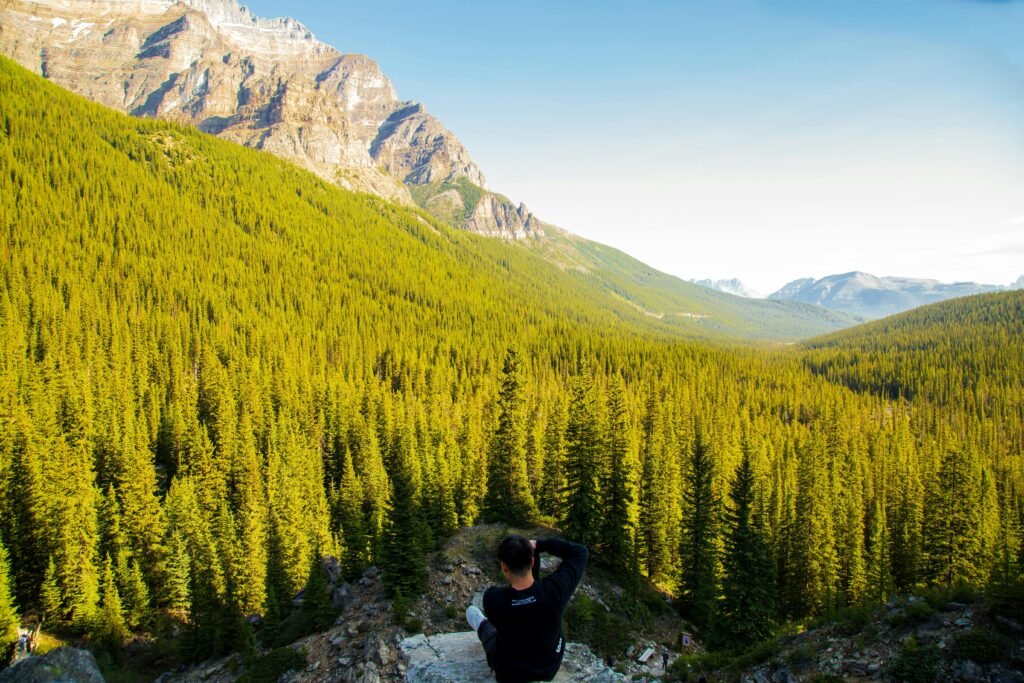
Banff National Park packs world-class scenery into a narrow mountain corridor with limited roads, fragile ecosystems, and millions of annual visitors. Everything you want to see — Lake Louise, Moraine Lake, Banff Avenue, Johnston Canyon — funnels through the same access points. That’s where first-time expectations collide with reality.
What surprises most visitors isn’t the terrain, but the structure. This is a protected wilderness that also functions like a tightly managed city. Roads close. Parking fills. Shuttles replace cars. Trails operate under wildlife advisories. Spontaneity, which works in many destinations, quietly works against you here.
I’ve seen this firsthand while guiding friends: someone suggests, “Let’s just check out Moraine Lake after lunch,” not realizing that private vehicles aren’t allowed and shuttle reservations are gone days in advance. Another assumes Banff town works like a resort village — only to circle for parking while paid zones tick away minutes.
Banff rewards planning because it has to. The park limits access to protect wildlife, manage congestion, and preserve landscapes that simply can’t absorb unlimited foot traffic. Iconic places demand commitment, not convenience. Once you understand that — once you treat each major stop as a decision, not an impulse — Banff becomes far less stressful and far more rewarding.
From June to September, Banff runs on an unspoken clock — and if you miss it, the park quietly moves on without you.
By 8–9 a.m., tour buses are already unloading at Lake Louise and Moraine Lake. Parking lots close. Shuttle queues lengthen. What looked serene online starts to feel oddly rushed in real life. This is the moment many first-time visitors realize these aren’t casual pull-offs — they’re half-day commitments.
I’ve had mornings where we left Banff town before sunrise, thermos in hand, just to experience Lake Louise in near silence. Ninety minutes later, the shoreline was packed shoulder-to-shoulder. Same place. Completely different experience. Timing is everything here.
If crowds drain your energy, shoulder seasons quietly outperform summer. May and October bring fewer visitors, softer light, and moodier landscapes. You trade guaranteed access for unpredictability — snow flurries, icy trails — but you gain space, calm, and photographs that don’t look like everyone else’s.
The trick isn’t avoiding popular places — it’s knowing where crowds thin out fast.
Johnston Canyon → Ink Pots
Johnston Canyon itself is busy. Push past the waterfalls and continue to the Ink Pots, and the crowd drops dramatically within minutes. The silence up there feels earned.
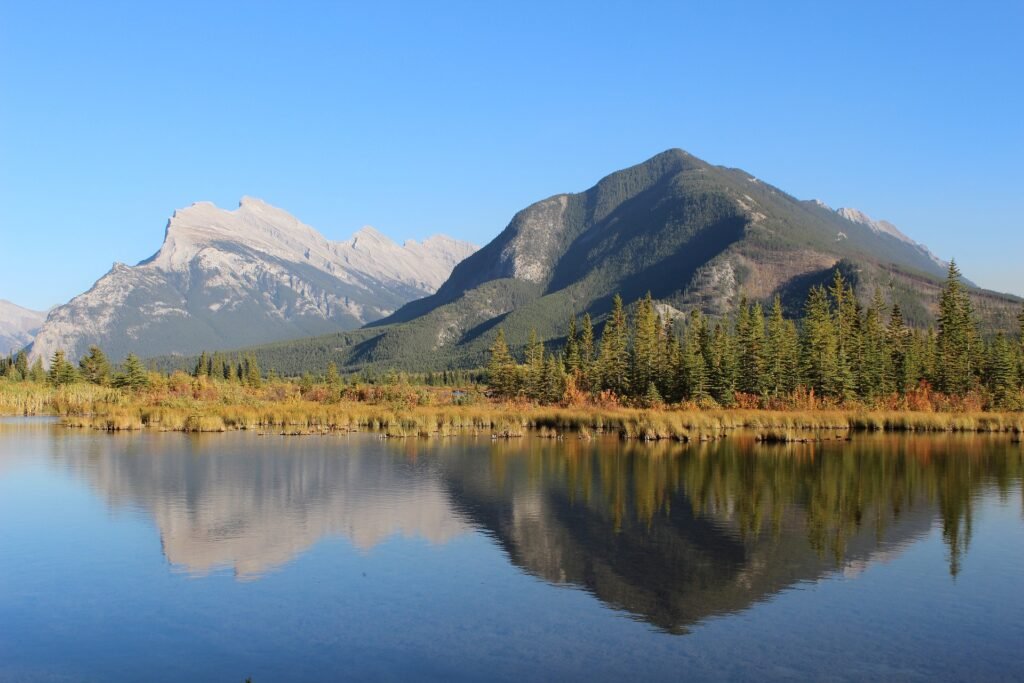
Vermilion Lakes
Sunrise and sunset paddling here delivers reflection shots, wildlife sightings, and zero pressure. It’s one of the few iconic views that still feels unhurried.
Base yourself outside Banff
Staying in Canmore or exploring Kananaskis gives you breathing room. You’re still close to Banff’s highlights — but you wake up without the daily scramble.
One of the biggest surprises for first-time visitors: Banff town is not free-parking friendly. Paid parking applies year-round, enforcement is active, and grace periods are short. This isn’t a suggestion system — tickets are common, and towing does happen.
I’ve watched people lose 30–40 minutes circling Banff Avenue, convinced something free would open up. It rarely does. Parking here rewards preparation, not optimism.
If you plan ahead, parking stress drops dramatically:
These spots aren’t secrets — they’re just ignored by people hoping for curbside luck.
Some places simply do not allow private vehicles.
Public transit fills the gap if you know the routes:
Buy Super Passes before arrival. Waiting until the day of is one of the fastest ways to lose flexibility — especially in summer.
This is the section most people scroll past — and the one Parks staff care about the most.
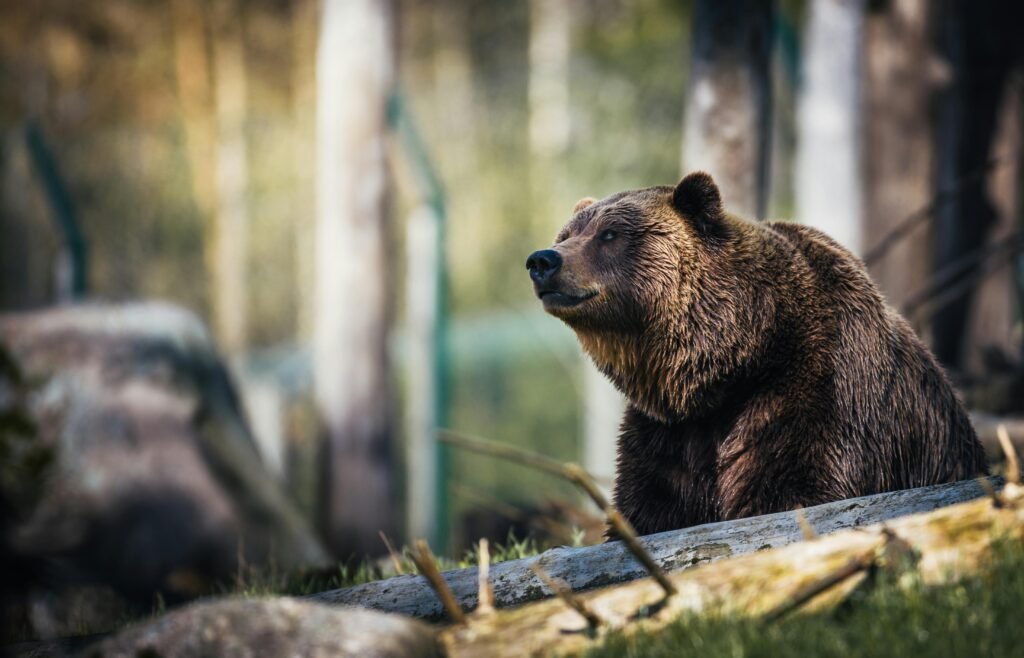
Banff National Park is active bear habitat. Both black bears and grizzlies move through trails, valleys, and occasionally even town edges. Seeing one isn’t rare. Knowing how to behave around one is what separates a memorable sighting from a dangerous mistake.
Black bears are generally smaller, more agile climbers, and more likely to retreat. Grizzlies are larger, more defensive, and often protecting territory or cubs. You don’t need to identify the species perfectly in the moment — but you do need to treat every encounter with caution and space.
The rule is simple: give bears room. At least 100 metres. No zoom lenses. No edging closer “just for a better shot.”
Parks Canada isn’t exaggerating when they suggest hiking in groups of four or more. Groups make more noise, are easier for bears to detect from a distance, and are statistically less likely to experience close encounters.
I’ve been on quieter trails where signage clearly warned “bear activity reported.” On those hikes, the difference between feeling calm and feeling exposed often came down to whether we were a group or a pair. Solo or duo hikers aren’t reckless — they’re just harder for wildlife to notice.
Bear spray is not optional gear in Banff backcountry areas — it’s basic safety equipment.
You don’t need to be paranoid. You need to be prepared.
No dramatics. No running.
If a bear approaches defensively:
Only if physical contact occurs — which is rare — follow Parks Canada guidance (play dead only during contact, remain still afterward). These scenarios are unlikely, but knowing the protocol reduces panic, which is often the real danger.
This is the most underestimated requirement in Banff — and one of the easiest ways to start your trip on the wrong foot.
You need a valid Parks Canada pass the moment you enter the park, including Banff town itself. This surprises many first-time visitors who assume passes are only checked at trailheads.
They aren’t.
Wardens regularly check vehicles parked downtown, at attractions, and near trail access points. No pass usually means a fine — and an immediate dent in the trip mood.
Buy online in advance or at park gates. Printing it helps — cell service can be unreliable.
Sometimes. Sometimes not.
Many guided tours include park admission, but never assume. Always confirm before booking. If it’s not included, you’re still responsible for having a valid pass.
This isn’t just revenue collection. Park passes fund:
In Banff, regulation is how preservation works.
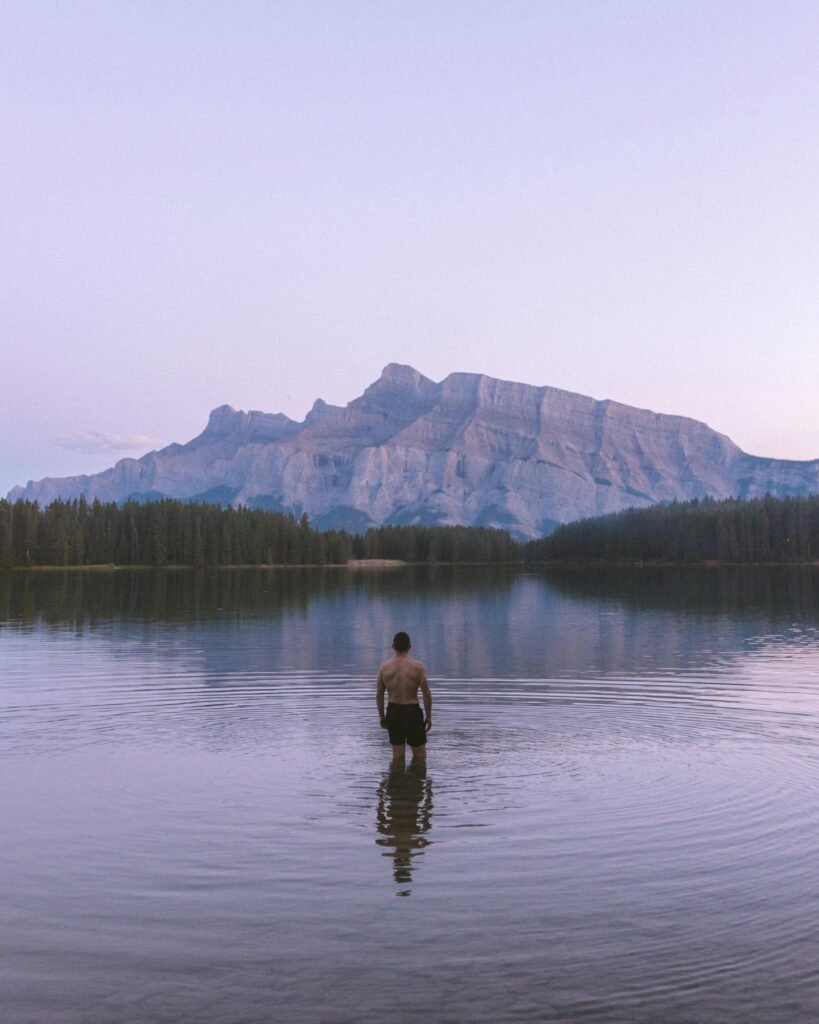
Banff’s weather doesn’t follow calendars. It follows elevation, wind patterns, and mountain logic — which often feels unfair until you plan for it.
Yes, summer brings turquoise lakes and long daylight. It also brings surprises.
Layering isn’t optional here — it’s survival-grade common sense.
May and October are the most misunderstood months.
You get:
You also accept:
I’ve had October days that felt like summer — and others where winter arrived by lunch. Flexibility is the price of beauty here.
From November to April, Banff transforms rather than shuts down.
Chinook winds can cause rapid thaws, and altitude (around 1,400–1,600 m) affects energy levels more than people expect. Hydration and pacing matter, even in cold weather.
Banff rewards momentum. Lose it to transport mistakes, and the trip feels harder than it needs to be.
Most first-time visitors arrive via Calgary International Airport, about 145 km east of Banff. On paper, the transfer looks simple. In practice, the choice you make here shapes your entire trip.
Airporter / Brewster Express
These shuttles are reliable, comfortable, and stress-free. They run on fixed schedules and drop you directly in Banff or Lake Louise. If you’re staying central and planning to rely on shuttles, this is often the smartest option.
Rental car
Ideal if you want flexibility, sunrise starts, or plan to explore beyond Banff town. Just know that flexibility comes with responsibility — parking rules, winter driving conditions, and route planning matter more here than in most destinations.
I’ve done both. On relaxed trips, shuttles felt liberating. On photography-heavy trips with early starts, having a car made the difference between beating crowds and joining them.
Uber exists — but it’s inconsistent. You might find one in Banff town. You probably won’t in Lake Louise. Late-night or early-morning availability is unreliable, and prices spike fast. Treat Uber as a backup, not a plan.
Driving the Icefields Parkway in winter is unforgettable — and risky if underestimated.
If you’re driving between Banff, Lake Louise, and Jasper in winter, winter tires aren’t optional. If conditions look questionable, wait. The road will still be beautiful tomorrow.
Not everything in Banff is worth the hype. These are.
Pairing the Banff Upper Hot Springs with the Banff Gondola is one of the few paid experiences that consistently delivers. The gondola offers panoramic context — the scale of the Rockies makes sense from up there — and the hot springs provide a rare moment to slow down afterward.
Yes, it’s busy. Go early or late and treat it as a single experience, not two separate stops.
The hike to the Lake Agnes Teahouse starts crowded and ends quietly. The payoff isn’t just tea — it’s perspective. Most people stop at Lake Louise. Fewer commit to the climb. Fewer still linger.
If you want movement without pressure, the Goat Creek Trail is a standout. Bike or hike through forest corridors and open valleys, ending right in Banff town. It feels earned, not staged.
Winter isn’t a downgrade here. It’s a remix.
Some of my calmest Banff memories happened in winter — fewer people, sharper light, quieter trails.
Accommodation is where Banff quietly tests your budget.
Staying in Banff town means walking distance to restaurants, shuttles, and nightlife. It also means premium pricing, especially in summer.
Canmore, just outside the park boundary, offers better value, newer properties, and more space. You trade convenience for calm — and many first-timers don’t regret it.
Camping is affordable by Banff standards, but competitive.
Backcountry lodges sound romantic — and they are — but they require hiking or skiing in, planning meals, and accepting limited services. These are experiences, not budget hacks.
Sources used for this section
This is where Banff quietly separates relaxed travelers from frustrated ones. None of these issues are deal-breakers — but ignoring them stacks friction fast.
Banff’s most famous experiences aren’t cheap, and prices climb sharply in peak season. Gondolas, hot springs, guided tours — they add up faster than first-time visitors expect. What catches people off guard isn’t just the cost, but how early popular time slots sell out.
I’ve seen visitors assume they could “decide later” on a gondola ride, only to discover same-day availability was gone or limited to midday crowds. If a paid attraction matters to you, book it deliberately — or skip it entirely and lean into free experiences that often feel more authentic anyway.
Banff has cell service — until it doesn’t.
Signal drops on trails, along scenic highways, and sometimes just minutes outside town. This is where people realize they’ve been navigating entirely on live maps. Download offline maps in advance, save confirmations locally, and don’t assume you can Google your way out of a wrong turn.
This matters more than people think. When plans change — weather, wildlife closures, parking detours — offline access keeps stress low.
Once you leave town, amenities disappear quickly. There are no snack kiosks halfway up hikes, no water refill stations in the backcountry. Even popular trails operate like wilderness.
Bring water. Bring snacks. Bring more than you think you’ll need. I’ve watched people cut hikes short not because they were tired — but because they were unprepared.
Leave No Trace isn’t a slogan in Banff — it’s a survival strategy for the park itself.
Parks Canada manages ecosystems under constant pressure. Staying on trails protects fragile alpine plants. Proper food storage reduces wildlife encounters. Not feeding animals keeps them wild — and alive.
Banff’s popularity makes personal responsibility non-negotiable. What feels like a small shortcut or harmless action compounds quickly when millions do the same.
Banff doesn’t reward rushing. It rewards early starts, flexibility, and restraint.
The biggest shift first-time visitors can make is mental: you don’t need to see everything. You need to see a few things well. One lake at sunrise beats three at midday. One long walk beats a checklist sprint.
When you accept that Banff is both wild and regulated — breathtaking and busy — the trip changes. Stress drops. Moments deepen. You stop fighting the park and start moving with it.
If this guide helped you reset expectations, you’ll find even more clarity in these next reads:
Plan fewer places. Go deeper where you land. That’s what no one tells you — and what makes Banff unforgettable the first time.